
Why Modern Farms Are Switching To Lightweight EVA Farming Boots?
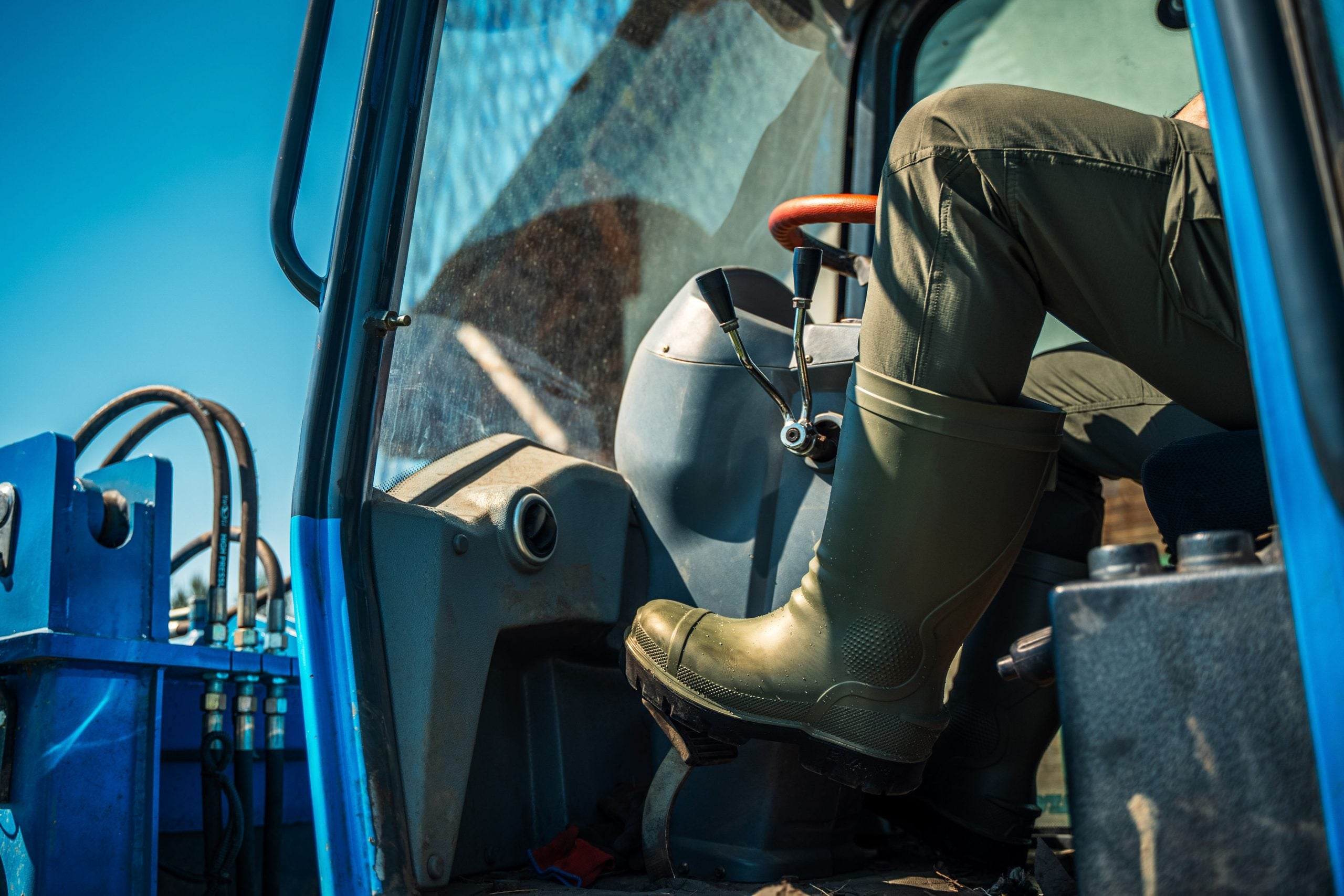
Table of Contents
Agriculture has changed dramatically over the last decade. Modern farms operate faster, longer, and in far more demanding conditions than before.
Farmers today work across livestock buildings, muddy yards, wet fields, feeding areas, machinery zones, and cold outdoor environments, often within a single day.
Because of this, footwear is no longer treated as a simple accessory. For many agricultural professionals, choosing the right boots has become directly connected to comfort, productivity, and safety at work.
One of the biggest changes visible across European agriculture is the growing shift from traditional heavy rubber footwear to lightweight EVA solutions.
Why traditional rubber boots are becoming less practical
Classic rubber wellington boots have been widely used in farming for decades.
However, many farmers now point to recurring problems during long working hours:
- Excessive weight,
- Poor thermal insulation,
- Foot fatigue,
- Limited flexibility,
- Discomfort during intensive movement,
- Overheating inside buildings,
- Slower drying after cleaning.
In modern agriculture, workers often spend 8–14 hours daily in boots. Heavy footwear can significantly increase leg fatigue, especially during repetitive movement across concrete floors, barns, warehouses, and muddy terrain.
This is one of the reasons why lightweight EVA footwear has become increasingly popular among both professional farms and agricultural distributors.
What makes EVA farming boots different?
EVA (Ethylene Vinyl Acetate) is a lightweight polymer material widely used in professional footwear manufacturing. Compared to standard rubber, EVA boots can be significantly lighter while still maintaining waterproof protection and durability.
For agricultural work, this creates several important advantages:
Reduced fatigue during long shifts
Lower boot weight means less strain on legs, knees, and lower back. This becomes especially noticeable during repetitive daily farm tasks.
Better thermal insulation
Modern EVA footwear performs well in cold environments, livestock buildings, wet weather, and winter farming conditions.
Easier cleaning and hygiene
Agricultural footwear must be cleaned frequently. Smooth EVA surfaces allow faster washing and drying, which is important in livestock production and food-related agricultural environments.
Improved comfort during movement
Flexible construction helps when walking on uneven terrain, climbing machinery, or working in dynamic farm environments.
Different farms require different boot features
Not every agricultural environment creates the same challenges. Dairy farms, poultry buildings, crop farms, orchards, and mixed agricultural operations all require slightly different footwear properties.
For example:
- Livestock environments often prioritize hygiene and anti-slip performance,
- Field work requires waterproof protection and thermal comfort,
- Machinery operators usually value lightweight construction and flexibility,
- Winter agricultural work increases the importance of insulation.
Because of this, many distributors and agricultural suppliers now look for manufacturers offering broader product segmentation instead of one universal boot model.
Safety is becoming increasingly important in agriculture
Agriculture remains one of the most physically demanding industries in Europe. Wet surfaces, slippery floors, tools, machinery, chemicals, and changing weather conditions all increase workplace risk.
Modern farming footwear is therefore expected to provide more than waterproof protection alone.
Depending on the work environment, professional agricultural boots may include:
- Anti-slip outsoles,
- Cold insulation,
- Energy absorption,
- Antistatic properties,
- Reinforced toe protection,
- Puncture-resistant inserts.
Choosing the right model depends on the actual working conditions and daily farm activities.
How distributors respond to changing demand
Agricultural retailers and wholesalers increasingly notice that customers ask not only about price, but also:
- Boot weight,
- Durability,
- Insulation,
- Certifications,
- Comfort during long use,
- Ease of cleaning,
- Availability of replacement liners,
- Product specialization for agriculture.
This shift influences how distributors select manufacturing partners and product ranges.
As a result, more companies are looking directly at European manufacturers capable of offering stable production, technical support, and long-term product availability.
Choosing the right farming footwear supplier
For distributors and agricultural retailers, selecting the right manufacturer is becoming nearly as important as selecting the product itself.
Reliable supply chains, consistent product quality, technical documentation, and production stability all play an important role in long-term cooperation.
Companies looking for professional solutions for agriculture increasingly analyze not only the boots themselves, but also the manufacturer’s production capabilities and specialization in agricultural footwear categories.
More information about professional farming wellington boots can be found here: How to choose farming wellington boots?.