The Post-Fall Hike Recovery Soak: Hot Tub Hydrotherapy for Alberta Trail Enthusiasts
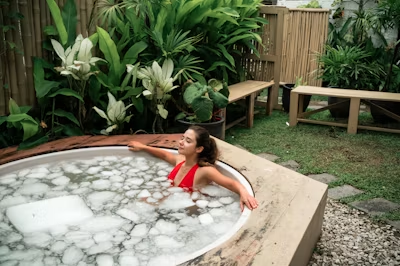
Table of Contents
A warm soak after a fall hike can help tired legs feel more comfortable. Once your boots are off and you have had something to drink, the water offers a quiet place to unwind from steep trails and cool air.
Keep expectations modest. Warmth may ease ordinary muscle tightness, but a hot tub cannot repair an injury or replace rest, food, and fluids after a demanding outing.
Recover Before You Get In
Give yourself a few minutes indoors to cool down gradually and assess how you feel. Drink water, change out of damp hiking clothes, and eat if you have been out for hours. A soak is more pleasant when you are not shivering, lightheaded, or hungry.
Check your feet and ankles for blisters, twists, or swelling. If a joint is newly swollen, you suspect an injury, or the pain is sharp, skip the heat and seek appropriate medical advice. Persistent pain deserves attention even if it briefly feels better in warm water.
Keep the Soak Comfortable
Choose pleasantly warm water rather than the hottest setting. The CDC says hot tub water should not exceed 104°F (40°C). Start with a short soak, and get out if you feel dizzy, overheated, or unwell.
Let your legs rest for a moment before moving them. Gentle ankle circles or easy knee bends may feel good, but do not push into pain or force a deep stretch. Powerful jets are optional; turn them down if direct pressure feels uncomfortable on a tender area.
Match the Routine to the Hike
A relaxed walk on a local pathway and a steep mountain route may leave you feeling very different. After a longer hike, pay particular attention to hydration and how your legs respond once you are home. Avoid treating the soak as a test of how much discomfort you can tolerate.
Make sure the water has been tested and maintained before getting in. Wash off mud and trail dust in the shower first, then rinse off before entering the tub. Keep a non-slip mat, dry towel, and shoes nearby for the walk back inside.
Consider the Space You Need
If several hikers want to soak together, look at seating positions and room to move without bumping knees. People comparing hot tubs in Calgary can try the seats and entry steps to see whether tired legs can get in and out comfortably. A sturdy handhold and a clear path may matter more after a hike than an extra row of jets.
A swim spa Calgary option may offer space for gentle water movement on a separate day. Ask whether its layout and temperature settings suit both exercise and relaxing soaks. Warm-water exercise and a hot tub soak may call for different water temperatures.
Prepare for Changing Weather
Autumn trails can end in wet leaves, early frost, or a cold rain. Back at home, clear the route to the tub, turn on outdoor lighting, and keep the cover easy to open. Don’t leave wet gear on the cover, where it can add dirt and moisture before you close it.