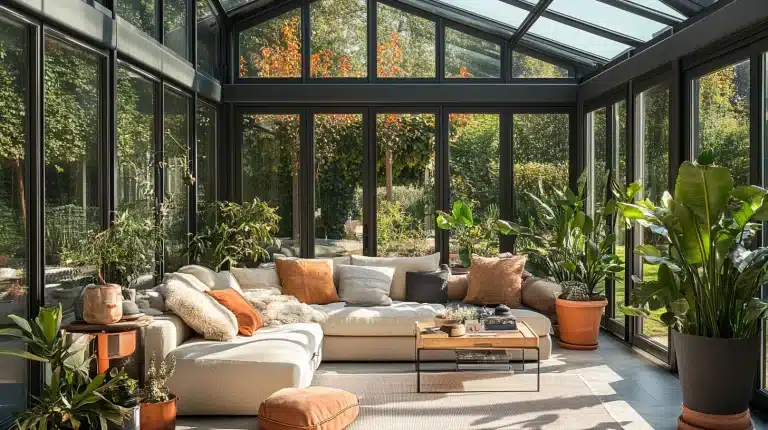
Creating a Shady Container Garden on a Sun-Baked Patio
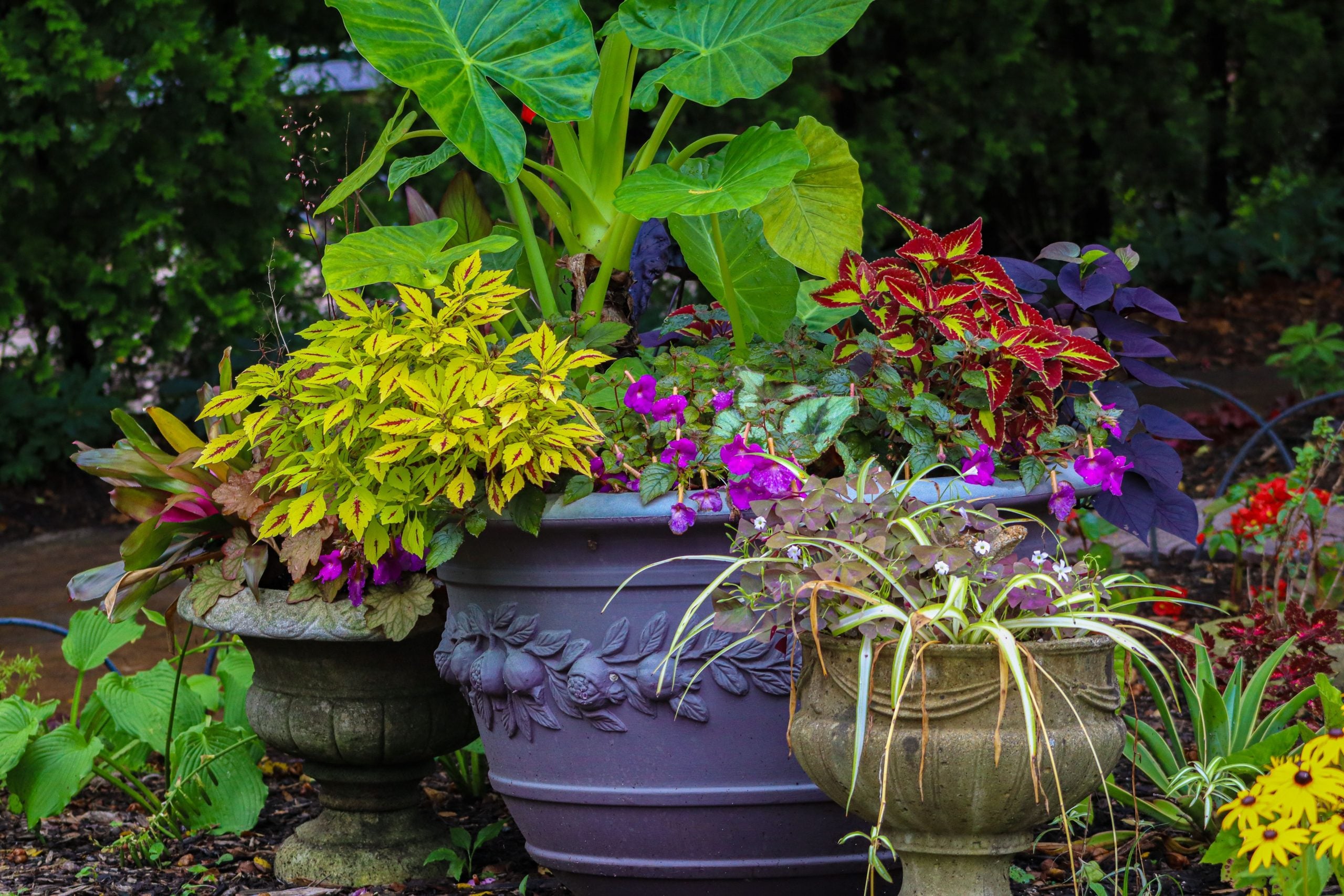
Table of Contents
A south-facing patio is a gift for tomatoes, lavender and anyone who likes a warm spot for morning coffee. It is far less kind to the plants many of us actually love: glossy ferns, lush hostas, dangling fuchsias and the rich foliage of heucheras.
Put them out in full summer sun on hot paving and within a few weeks the leaves crisp at the edges, the colours bleach and the compost dries out almost as fast as you can water it.
The good news is that you do not need to move house to grow them. With a well-placed parasol, the right containers and a sensible watering routine, you can create a pocket of cool, bright shade on even the sunniest patio, and fill it with plants that would otherwise struggle.
Why a sunny patio is so tough on shade-lovers
Shade-loving plants have evolved for woodland edges and the sheltered sides of buildings, where light is bright but filtered and the soil stays cool and moist.
A south-facing patio offers the opposite. Direct sun hits the leaves for most of the day, paving and walls soak up heat and radiate it back in the evening, and containers warm up quickly on every side.
Pots make things harder still. Roots in the ground are insulated by the soil around them, but roots in a container sit behind a thin wall that can become very hot on a summer afternoon.
Compost in pots dries far faster than garden soil, and a plant that is both hot and thirsty will show stress quickly. The aim is to tackle all three problems at once: direct sun, heat and moisture loss.
Turning a parasol into a shade maker
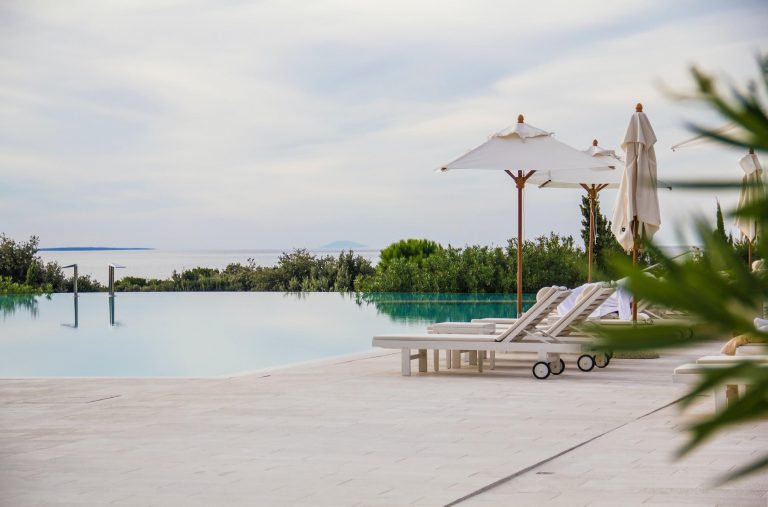
Most people think of a parasol as something for people, but it is also the most flexible outdoor shade solution for plants on a patio. Unlike a pergola or a shade sail, it can be moved, tilted and closed, so you can adjust the shade as the seasons change.
The trick is to position it for the plants rather than the table. In a UK summer, the sun is high in the south around midday and moves round to the south-west and west through the afternoon. That means the shadow of a parasol falls to the north of its base at midday and swings towards the north-east and east later in the day.
Group your shade-lovers on those sides of the parasol, and they will be sheltered during the hottest hours, from roughly late morning to late afternoon, while still receiving gentle morning light.
A cantilever parasol, where the canopy hangs from an offset arm, works especially well because there is no pole in the middle of your pot display. You can swing the canopy directly over the plants and rotate it to follow the sun.
A standard centre-pole parasol works too; just arrange the pots in a crescent around its northern side. Before you commit, spend a sunny day checking where the shadow actually falls at noon, at 3pm and at 5pm.
Canopy colour matters a little as well. A pale canopy keeps the area beneath it bright while still cutting direct sun, which suits most shade-loving plants. A very dark canopy casts deeper shade that can leave flowering plants such as fuchsias and begonias a little leggy.
The best shade-loving plants for patio pots
These plants all grow happily in containers and appreciate the cool, bright shade a parasol provides:
- Ferns such as the hart’s tongue fern and male fern bring texture and a woodland feel, and they cope well in pots as long as they never dry out completely.
- Hostas are ideal in containers, where they are easier to protect from slugs than in the border. Their large leaves scorch quickly in full sun, so they benefit most from shade.
- Heucheras offer foliage in shades from lime to deep burgundy and tolerate a little sun, making them useful for the edges of your shaded area.
- Fuchsias flower from summer into autumn and prefer cool roots and partial shade.
- Begonias and busy lizzies give long-lasting colour in lower light where many summer bedding plants would sulk.
- Hellebores are a lovely choice for year-round interest, flowering in late winter when the parasol is usually packed away. There is a detailed guide to growing hellebores in pots on this site.
- Japanese maples make a striking centrepiece in a large pot, but their delicate leaves scorch in hot sun and drying wind, so they are an excellent candidate for the shadiest spot.
- Japanese forest grass softens the edges of pot groups with arching, golden-green foliage.
Place the most sun-sensitive plants, such as acers, hostas and ferns, in the centre of the shadow, and use tougher plants such as heucheras on the edges, where they might catch an hour or two of sun.
Choosing containers that stay cool
The right pot can make a noticeable difference. Terracotta looks lovely but is porous, so it loses moisture quickly in hot weather. Glazed ceramic, stone-effect composite or good-quality plastic pots hold water much better. Pale-coloured pots also absorb less heat than dark ones.
Size matters too. Larger containers hold more compost, which stays moist for longer and buffers roots from temperature swings. Grouping pots together helps as well: they shade one another’s sides and create a slightly more humid microclimate.
Raise pots on pot feet so they drain freely, and use a good peat-free compost, adding some loam-based compost for long-term plants such as acers. For more ideas, the site’s container gardening section is well worth a browse.
Watering under a parasol
Here is the catch many gardeners miss: a parasol keeps off the rain as well as the sun. Pots sitting under an open canopy can stay bone dry after a summer shower, even though the rest of the garden has had a soaking.
Check containers daily in warm weather by pushing a finger into the compost; if it is dry a few centimetres down, water thoroughly until water runs from the drainage holes.
Water in the early morning or evening, when less is lost to evaporation. A layer of gravel, slate or bark on top of the compost helps keep the surface cool and slows drying. The site’s watering guides cover the basics in more detail.
Keeping it safe in the wind
A parasol is a sail, and British weather can be gusty. Always use a base heavy enough for the size of the parasol, and close it on windy days.
Arrange your pots so that, if the parasol were to tip, it would not fall onto your most precious plants. On days when it has to stay closed in bright, breezy weather, move smaller pots temporarily into the shadow of a wall or fence.
Shade for shared growing spaces
The same approach works on a larger scale. Community gardens, allotment associations, school growing areas and garden centre cafés often need shade in several places at once, both for people and for shade-loving displays.
Buying from a wholesale garden umbrella supplier can make sense here: matching parasols give a tidy, consistent look, sturdier commercial frames stand up better to daily use and changeable weather, and ordering together usually costs less per unit than buying one at a time.
Frequently asked questions
Can shade plants grow on a south-facing patio?
Yes, as long as they are shaded during the hottest part of the day and their containers do not dry out. A parasol positioned to cast shade from late morning to late afternoon makes a big difference.
Where should I put pots in relation to my parasol?
In the UK, group them on the north and east sides of the parasol’s base, as that is where its shadow falls during the hottest hours.
Do plants under a parasol need more watering?
Often yes, because the canopy keeps rain off. Check pots daily in summer rather than relying on showers.
Which pots are best for shade plants in hot weather?
Large, pale, glazed or composite pots hold moisture and stay cooler than small, dark or terracotta pots.