
Rosemary for Hair: How to Grow It, How to Use It, and What the Science Really Says
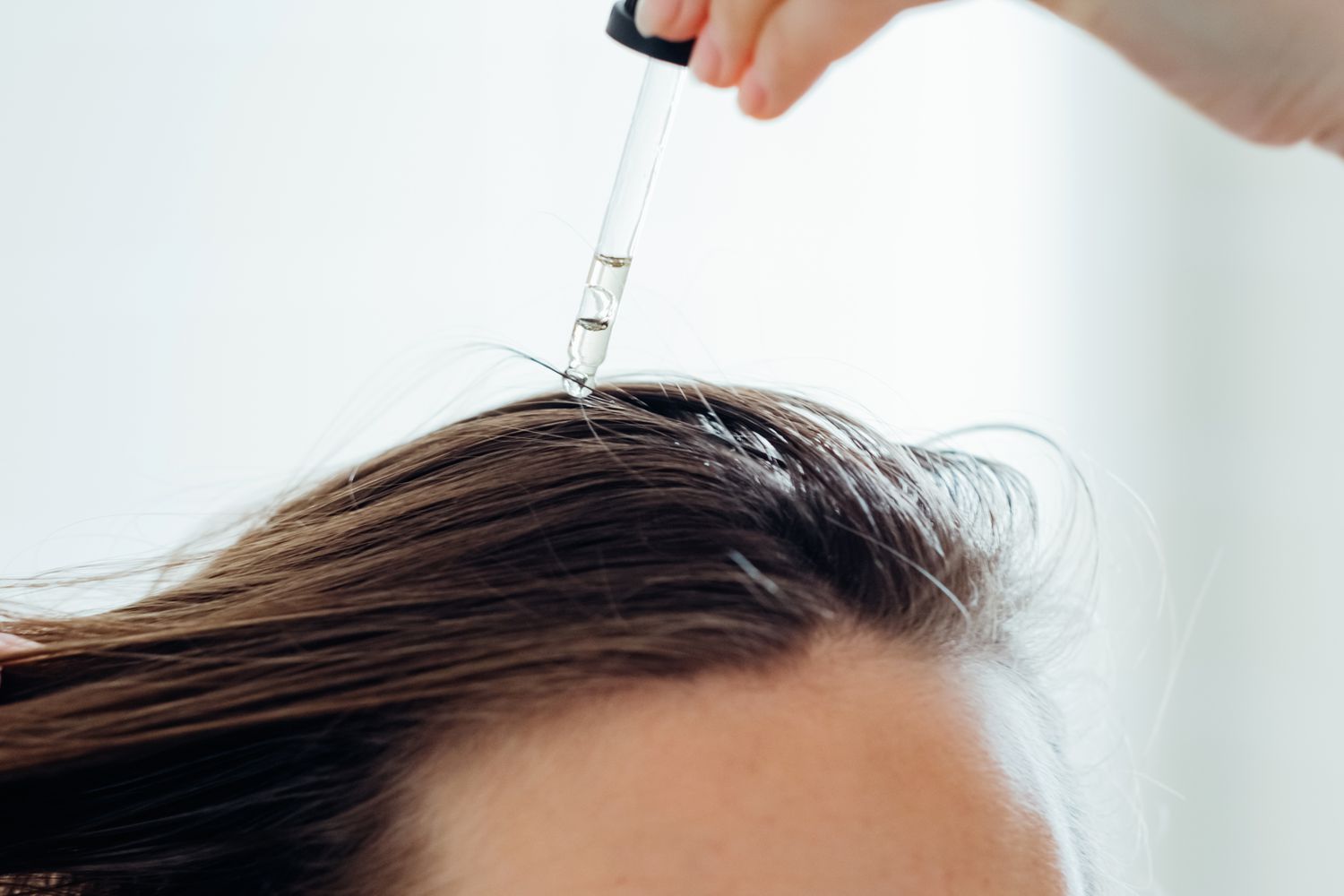
Table of Contents
If your social media feeds look anything like ours, you’ll have seen rosemary everywhere. People are simmering sprigs on the hob, decanting homemade oils into amber bottles and swearing it has transformed their hair. Gardeners, of course, have loved this herb for centuries, for roast lamb, for bees, and for its old association with remembrance.
There’s good news for anyone tempted to join in. Rosemary is one of the easiest and most rewarding herbs you can grow in a British garden. The less exciting news is that the online claims have run well ahead of the evidence.
Meet the Plant
You may spot a new name on plant labels. In 2017, botanists moved rosemary into the sage family’s main genus, so Rosmarinus officinalis is now officially Salvia rosmarinus. It’s a woody, evergreen shrub from the Mediterranean, with aromatic needle-like leaves and small blue flowers that appear from early spring. Those flowers are a valuable early source of food for bees.
How to Grow Rosemary in the UK
Sun and shelter. Give rosemary your sunniest, most sheltered spot. A south-facing border or a patio against a warm wall is perfect.
Drainage is everything. Rosemary copes with a surprising amount of cold. What kills it is cold and wet roots in winter. On heavy clay, dig in plenty of horticultural grit, or plant on a slight mound or in a raised bed.
Growing in pots. Terracotta is ideal because it breathes. Use a peat-free compost mixed with roughly a third grit, and raise the pot on feet in winter so it never sits in water.
Watering. Water new plants regularly through their first summer. After that, established plants in the ground rarely need watering, and overwatering is a far more common mistake than underwatering.
Pruning. Trim lightly after flowering to keep plants bushy. Never cut back into old, bare wood, because rosemary rarely resprouts from it. Little and often is the rule.
Propagation. Rosemary roots readily from cuttings. In summer, take 10cm semi-ripe shoots, strip the lower leaves and push them into gritty compost. Keep them somewhere bright but out of scorching sun, and most will have rooted within a couple of months.
Harvesting. You can snip sprigs all year round. The aromatic oils are at their strongest just before the plant flowers.
What Does the Science Say?
Almost every rosemary article traces back to one study. It was a 2015 trial published in the journal Skinmed. One hundred men with androgenetic alopecia (common male-pattern hair loss) were split into two groups. One group applied rosemary essential oil to the scalp twice a day for six months, and the other used 2% minoxidil, a standard over-the-counter treatment.
The results were interesting. Neither group showed a meaningful change at three months. By six months, both groups had a significant increase in hair count, with no real difference between them. The rosemary group also reported less scalp itching, a common complaint with minoxidil.
Before you dig up the herb border, it’s worth knowing the limits of that study:
- It was a single, small trial.
- There was no placebo group, so we can’t rule out that some improvement would have happened anyway.
- It included men only.
- It compared rosemary with 2% minoxidil, the weaker of the two common strengths.
- It used essential oil, not rinses or home infusions.
When Rosemary Isn’t Enough?
A hair follicle that hasn’t produced hair for years won’t be revived by any lotion, herbal or otherwise. For established pattern baldness, some people eventually look at a hair transplant, but UK private prices can be steep.
This is a big part of why Istanbul has become one of the world’s busiest centres for the procedure. For anyone curious about the numbers, this breakdown of the typical hair transplant cost in Turkey is a useful starting point.
Final Thoughts
Rosemary earns its place in any garden: fragrant, drought-tolerant, loved by bees and endlessly useful in the kitchen. If you fancy trying a rosemary rinse or a diluted oil, enjoy the ritual, keep your expectations realistic and give it a good six months. And if nothing else, you’ll have a beautiful shrub and the best roast potatoes on the tree.