
Curtain Tracks vs. Traditional Curtain Rods: Which is Better for Your Home?
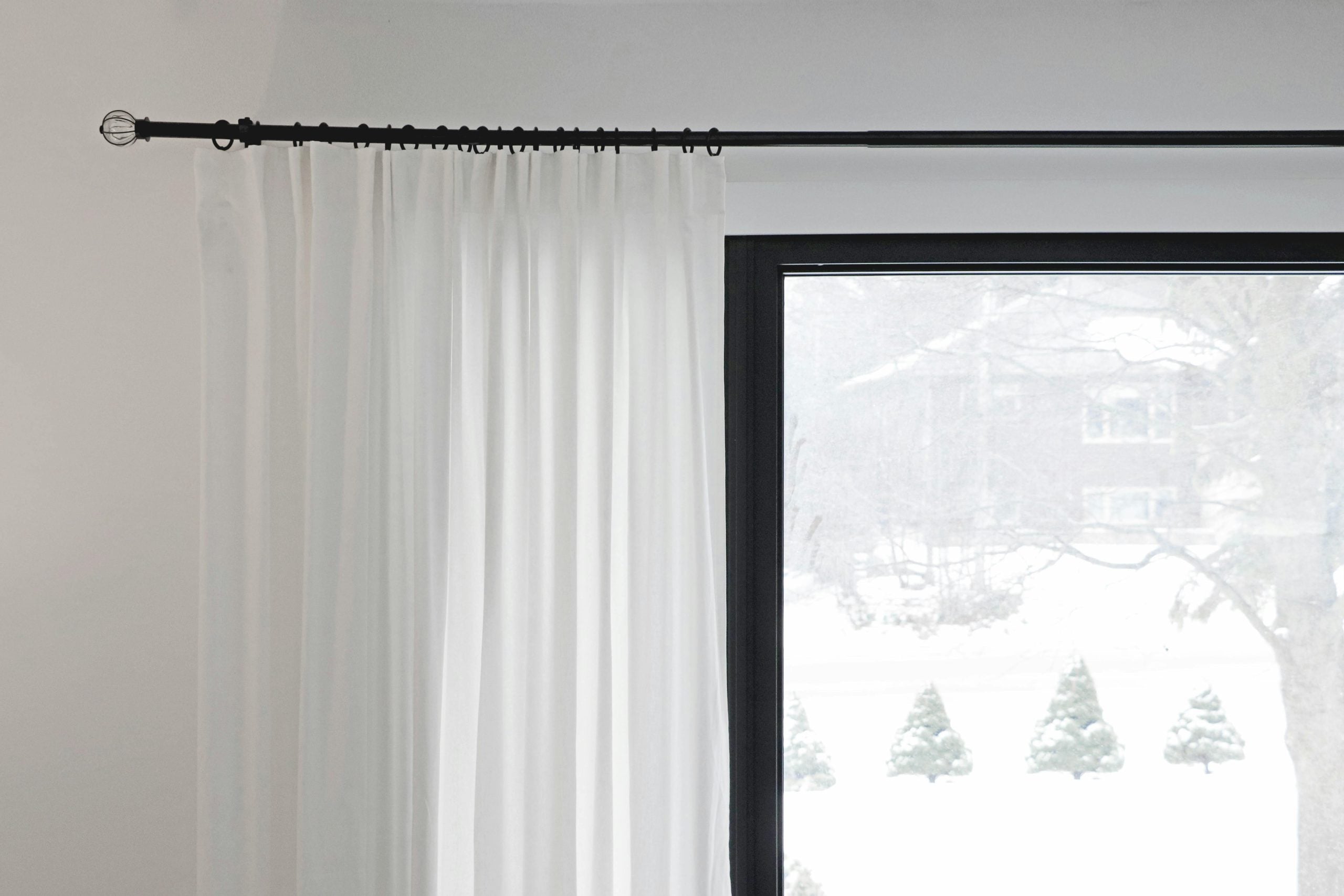
Table of Contents
Curtain hardware can completely change how a room looks and functions. The choice between curtain tracks and traditional curtain rods affects both style and practicality. Curtain rods create a classic, decorative look, while curtain tracks suit modern interiors that value clean lines and smooth functionality. Curtain tracks often work better for heavier fabrics and sleek designs, while curtain rods remain a timeless choice for homes that prioritise charm and character.
Many people overlook the significant impact that the right hardware has on curtain movement, ease of use, and overall design flow. Tracks provide discreet installation with effortless glide, ideal for wide or unusual window shapes. Rods provide flexibility in materials and finishes, letting homeowners match the look of their furniture or trim.
Understanding the differences between these two systems helps homeowners invest in the right one for their space. The following sections compare the options, identify key features, and outline how to determine which option best suits the home’s layout and design objectives.
Curtain Tracks vs Traditional Curtain Rods: Core Differences
Curtain tracks and traditional curtain rods differ in how they mount, move, and affect a room’s look. Tracks use a discreet gliding system that focuses on function, while rods often serve both a decorative and structural role. These contrasts influence ease of use, style choices, and how well each system fits certain curtain types or window shapes.
How Curtain Tracks Work
A curtain track uses a slim channel made of metal or plastic that allows curtains to glide smoothly across gliders or carriers. The mechanism hides behind the fabric, creating a clean surface without visible fittings. People often attach the tracks to the wall or ceiling, depending on their design needs. Ceiling-mounted options can make a space feel taller and sleeker.
Tracks come in straight or flexible forms. A flexible style bends to fit bay or corner windows that a fixed rod cannot handle. They also support motorised or corded controls, which improve convenience in large rooms or high ceilings.
Tracks are created for strength and consistent motion, making them suitable for heavy drapes or blackout curtains. Those who prefer a precise fit can choose custom curtain tracks by Direct Fabrics or from other shops like Lamazi Fabrics, My Sewing Box and etc, which are made to measure for specific window dimensions. This customisation allows a perfect glide and a tidy finish that works well in both homes and hotels.It also helps curtains hang evenly, which makes the whole space look more polished.
Function and Features of Curtain Rods
A curtain rod serves as a visible bar that supports curtains with rings, eyelets, or pockets. It usually mounts with brackets on either side of the window frame, making installation straightforward for most DIY users. Many rods feature decorative end caps, known as finials, that add a design accent.
Rods come in several forms, including single, double, and tension types. A double rod allows two layers of fabric, such as a sheer and a blackout curtain, to operate independently. A tension rod uses internal pressure between walls to hold itself in place without drilling, which helps renters avoid permanent fixtures.
The primary drawback of rods lies in their weight limits. Long spans often need centre supports, which interrupt curtain movement. For heavier materials or longer windows, a reinforced or sectional rod may solve this issue.
Key Style and Appearance Differences
Curtain tracks create a minimalist look by keeping the system hidden behind the fabric. They suit modern interiors that emphasise clean lines and subtle fittings. Tracks also draw attention to the curtains themselves rather than the hardware. Ceiling-mounted versions can give the illusion of height and continuity across a wall.
Curtain rods, by contrast, form part of the décor. Finishes in brass, wood, or matte black help match other fixtures like handles or light fittings. Decorative rods fit classic or traditional homes that highlight ornamental features.
Tracks work best where function outweighs visual hardware, while rods excel in spaces where detail and style matter. This difference helps determine which method suits the mood and layout of a room. Each choice carries its own set of design and practical advantages.
Selecting the Right Option for Your Home
Each home benefits from curtain hardware that fits its specific needs. The best choice depends on factors such as curtain weight, window shape, how much light or privacy is needed, and the ease of installation and upkeep. A careful match of these details creates a balanced and functional design.
Choosing the Curtain Type and Weight
The type and weight of the curtain strongly influence whether a rod or track system works better. Lightweight curtains, such as sheer fabrics, hang nicely from decorative rods and add softness without heavy support. Medium-weight curtains also pair well with traditional rods, especially if used with a double rod to combine sheer and blackout layers.
Heavier fabrics like blackout curtains or thermal drapes require sturdier support. Curtain tracks handle this weight more effectively since they spread the load evenly across the length of the window. Pencil pleat curtains, sliding panels, or floor-to-ceiling curtains also work better with a smooth track system that allows easy movement.
In rooms where room dividers or wide openings need support, a track provides consistent movement across long or curved runs. For smaller or temporary setups, a tension rod can support lighter panels without permanent mounting. Each curtain type performs best when its hardware matches its specific weight and function.
Matching the Window Shape and Size
The overall window type and size determine how flexible the hardware should be. Standard windows suit both rods and tracks, depending on design preference. However, large windows or multi-panel spaces benefit from tracks that carry heavier materials without sagging.
Curved or irregular shapes, such as bay windows, need more adaptable systems. Flexible tracks can bend along the contour, giving a smooth flow around corners and recesses. Traditional rods, by contrast, may need multiple mounting brackets or joiners that create small gaps in coverage.
A cornice or ceiling-mounted track can make a room appear taller, especially with long curtains that reach the floor. For smaller windows, shorter rods with decorative finials can create proportion and balance. Choosing the right match guarantees the curtains move well and fit neatly within the space available.
Light Control and Privacy Considerations
Light control and privacy affect both the curtain type and the hardware supporting it. Blackout curtains block sunlight and reduce glare when mounted on sealed or recessed tracks, preventing gaps along the edges. This setup works well in bedrooms or media rooms that require darkness.
In contrast, sheer curtains provide soft light diffusion. They pair well with rods that allow easy layering. A double rod system supports sheers behind heavier drapes for flexible day-to-night control. The front curtain adds privacy, while the inner layer keeps the room bright.
For open-plan areas or room dividers, tracks provide smooth movement and even closure, which helps maintain privacy without making the space feel closed off. Both rods and tracks influence how much light enters a room, so each setup must suit how the space is used throughout the day.
Installation and Maintenance Factors
Ease of installation often becomes a deciding factor. Curtain rods typically attach with mounting brackets to the wall above the window. Most homeowners can install these with basic tools. They provide decorative appeal and are simple to replace or adjust as styles change.
Curtain tracks may need more careful measurement or professional installation. Ceiling-mounted or recessed versions require precise alignment so that curtains move smoothly. Motorised tracks add convenience for tall windows or hard-to-reach areas, allowing control by remote or switch.
Maintenance differs between systems. Rods need occasional tightening or polishing, while tracks may need cleaning within the runner to keep the movement smooth. A well-fitted system stays quieter and lasts longer, especially for heavy or frequently used curtains. Choosing the easiest system to fit and maintain helps keep windows looking neat over time.
Conclusion
Choosing between curtain tracks and traditional curtain rods depends on both style and function. Tracks suit modern décor where a clean, minimal look matters, while rods fit well in classic or decorative settings that highlight design details. Each option serves distinct needs based on certain weight, space, and aesthetic goals.
Curtain tracks allow smoother operation and support heavier fabrics with less strain. They blend into ceilings or walls, creating a tidy and practical finish. By contrast, curtain rods add visible charm and come in various materials and finishes that can complement traditional or casual interiors.
Both systems can work effectively if matched to the right environment. Therefore, homeowners should consider factors such as room style, curtain type, and ease of use to achieve both visual appeal and everyday convenience.