From Garden to Living Room: How Botanical Elements Influence Interior Design
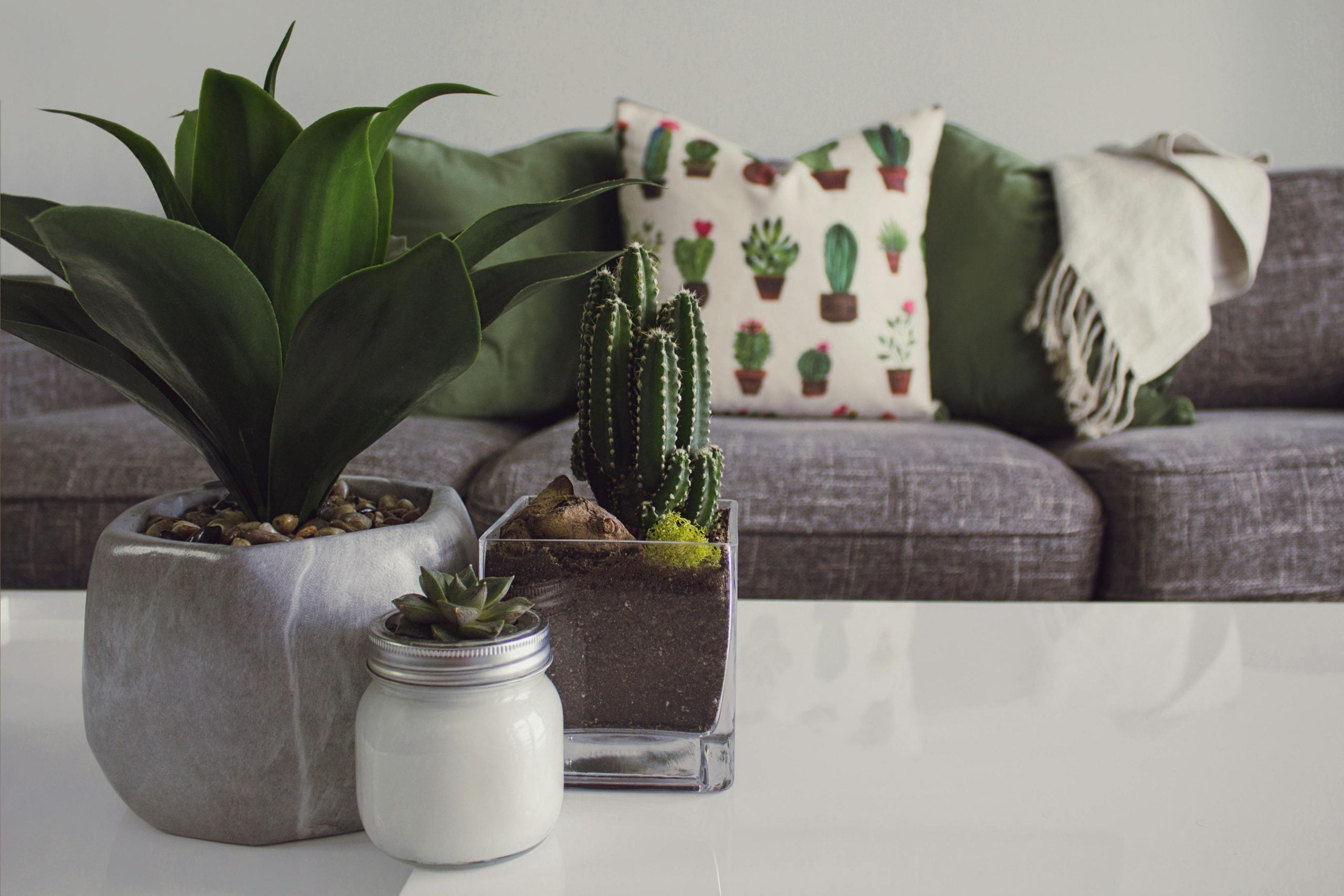
Table of Contents
Living in the city definitely has its perks, but it also leaves many urban homes feeling a little disconnected from the natural world. Lately, with the ongoing climate changes, the quiet pull towards nature is stronger than ever.
Instead of chasing polished, minimalist interiors, there is a shift towards creating an oasis of serenity right at home. Spaces that breathe with nature, that soften the noise of everyday life, and ones that feel very tranquil.
Botanical elements such as biophilic interiors, are the heart of this change. Therefore, let’s explore how you can bring outdoors in, using various botanical elements and decor.
The Influence of Nature in Interior Design
At its core, biophilic design is the approach of integrating nature into your indoor environment through organic materials, plants, and lighting to reconnect with nature. Incorporating nature in interior design has an impact on:
- Health and Wellness Benefits: Nature-based interiors have a plethora of health benefits from better indoor air quality and reduced stress to increased productivity and mood, the boons are endless.
- Sustainability: Biophilic home interiors encourage the use of natural light, water, plants, and other materials. This approach mitigates environmental impact, high-energy use, and carbon footprint.
6 Principles of Biophilic Design
These are the six principles that help you incorporate nature in your living environments:
1. Use of Natural Materials
A biophilic interior design encompasses organic and sustainable materials like wood, stone, and ceramics. These natural elements provide a visually appealing aesthetic of nature while also offering a tactile connection.
2. Natural Patterns and Textures
Biophilic interiors include patterns and textures inspired by flowers or leaves such as wood or stone. These patterns and textures offer familiarity of nature and stimulate our senses.
3. Earthy Color Palette
Colors play a fundamental role in biophilic design as they evoke emotions we often do when we are physically in nature. Lush greens, serene blues, warm yellow, and all the other earthy tones found in nature.
4. Light and Space
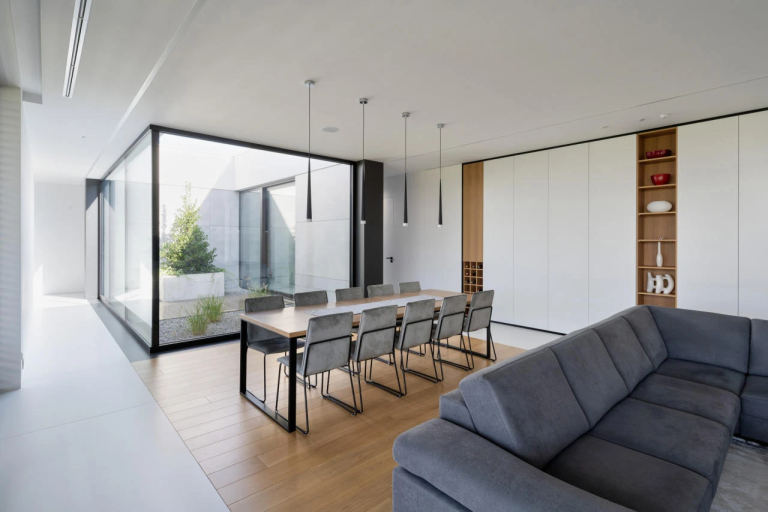
Natural lighting is the fundamental principle of biophilic interior design that saves energy, energises our mood, and improves productivity. It can be let through windows, doors, and glass designs.
5. Natural Shapes and Forms
For this, you have to use naturally occurring shapes and forms such as spiral, arches, and curves. It can also be achieved through open balconies and large windows that create continuity between outdoors and indoors.
6. Incorporation of Plants and Vegetation
Placing planted pots and growing vegetation indoors is the easiest way to bring nature home. Apart from providing an aesthetic appeal, they also improve indoor air quality.
How to Incorporate Botanical Elements into Your Interior Design
From furniture to natural plants, here’s how to introduce a sense of earthiness to your living space:
1. By Styling Statement Plants and Planters
Plants and flower pots speak for themselves and make great centrepieces in your interiors. You can place a large potted plant in the living room and it will create a focal point.
2. Choosing Natural Materials in Furniture
Use furniture made of natural materials such as wood, stone, wool, and bamboo. These furniture pieces will instantly add a touch of authenticity and a sense of earthiness.
3. Using Natural Textures All Around the Room
Let the theme flow all across the living room with materials like wicker, jute, linen, and stone. The point is to make the space feel organic and cohesive with different textures.
4. Sticking to an Earthy Color Palette
When you’re choosing a colour palette for your living room, pick a soothing shade that is often found in nature— cool blues, warm browns, and serene greens. These earthy tones will complement other natural materials.
Current Trends in Botanical Interior Design
Here are four trends you can combine or try to create a botanical-themed living interiors:
1. Wallpaper and Art Prints
Adding botanical elements to your space also extends to nature-inspired wallpapers and art prints. Designs with florals, palm leaves, mountain and forest scenery, and water-themed, give a lush and serene atmosphere.
2. Botanical-Themed Furniture
Apart from styling furniture made of natural materials, you can use botanical motifs and floral prints to cover your upholstery, headboard, and armchairs.
3. Terrariums
Introduce a miniature botanical ecosystem in your living room with a terrarium. You can grow a variety of succulents, ferns, and air plants in varying planter shapes, from rectangular to conical.
4. Floral Textiles
Floral textiles are becoming one of the most loved ways to introduce botanical elements in your space. Whether it’s through cushion covers, bedding, curtains, throws, and rugs.
Final Thoughts
You don’t need to live in the countryside, create a greenhouse, or have large windows and balconies to feel closer to nature. Sometimes, all it takes is getting the outdoor elements inside to create a soothing living environment.
From nature-inspired murals and floral textiles to natural plants, textures, and earthy color palette, you can embrace nature into your interiors and feel closer to the outside world.