Silver or Sealed? How Cedar Shutters Weather and How to Control It
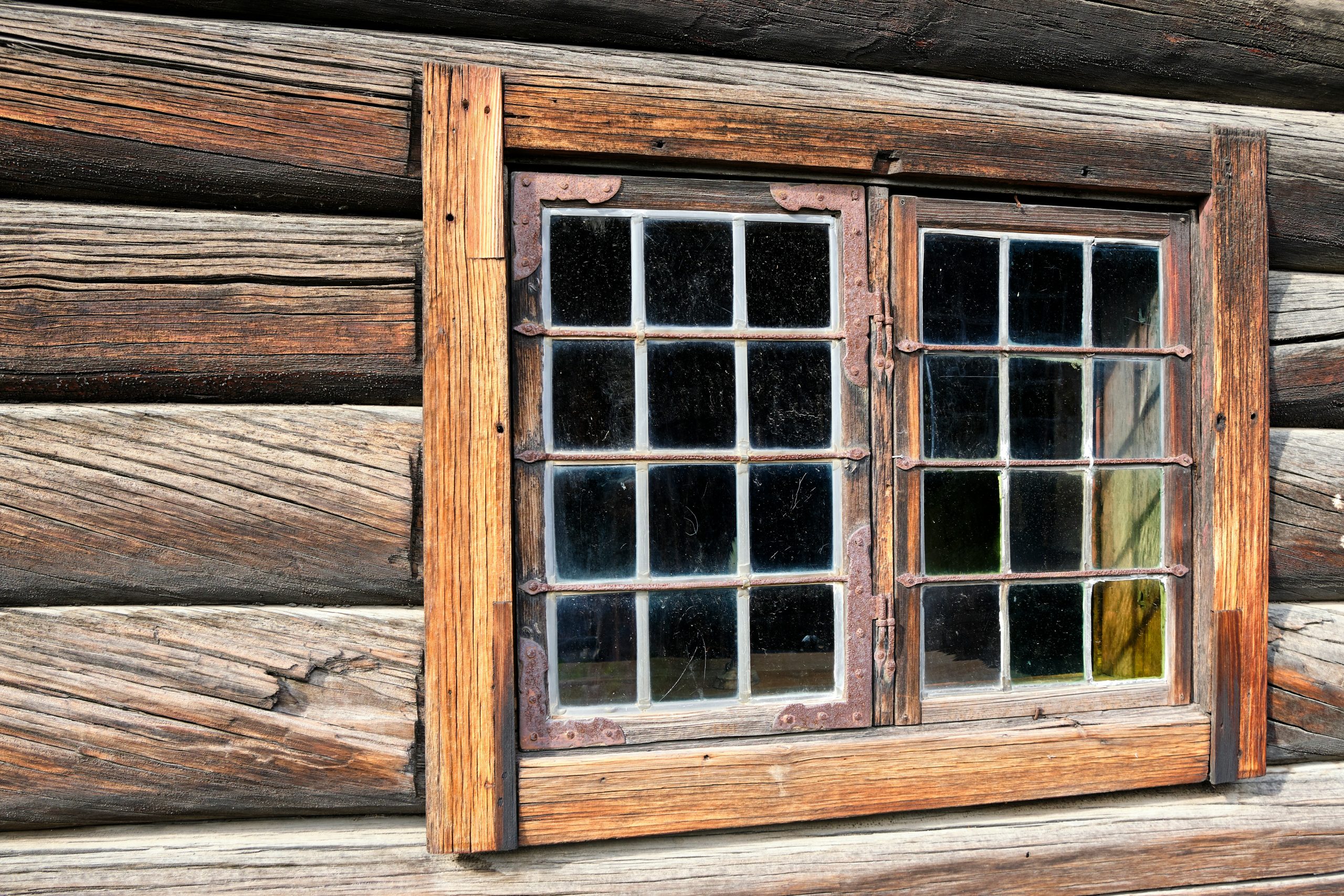
Table of Contents
Cedar is one of the most loved woods for exterior shutters, prized for its warm color, straight grain and natural resistance to decay. But anyone who has seen unfinished cedar fences or siding knows that its honey and reddish tones do not last forever outdoors.
Left alone, cedar gradually turns a soft silver-gray. Some homeowners love that weathered look; others want to preserve the original color. Either way, understanding how cedar weathers puts you in control.
Why cedar turns silver
Sunlight, especially ultraviolet light, breaks down lignin near the surface of the wood. Rain then washes away the degraded fibers, leaving a thin gray layer behind.
This is a surface change rather than a sign that the wood is failing. Cedar’s natural oils and extractives help it resist rot, which is why weathered cedar can still perform well for many years when it is properly built and installed.
Option 1: let it weather naturally
If you like a coastal or rustic aesthetic, you can let cedar shutters silver on their own. Keep in mind that weathering is rarely perfectly even.
Areas protected by eaves or shaded by trees may stay darker, while sunny elevations gray faster. Some homeowners apply a bleaching oil or weathering stain to speed up and even out the process.
Option 2: seal and stain
To keep cedar’s warm tones, apply a penetrating exterior stain or finish that contains UV inhibitors. Key points:
- Transparent and semi-transparent stains show off the grain but need recoating more often
- Solid stains hide more of the grain and generally last longer between coats
- Finish all sides, including edges and backs, to reduce uneven moisture absorption
- Follow the manufacturer’s directions on surface preparation, temperature and recoat intervals
Option 3: paint
Painting cedar is a long-standing tradition on historic homes. Use a quality primer designed for cedar, because its natural extractives can bleed through some paints and cause stains. Many manufacturers offer factory priming or painting, which provides more consistent coverage than a field-applied finish.
Restoring weathered cedar
If your shutters have already grayed and you want the color back, a wood cleaner or brightener can remove the weathered surface layer. Light sanding may also help. Once the wood is clean and dry, apply your chosen finish promptly so it does not begin to gray again.
Maintenance tips
Inspect cedar shutters each spring for peeling finish, cracks, loose joints or areas where water collects. Keep gutters clear so roof runoff does not pour onto shutters, and trim shrubs so air can circulate around them. Small touch-ups each year prevent larger refinishing jobs later.
Choosing cedar for your home
Climate also plays a role in how quickly cedar changes. Homes in sunny, high-altitude or southern locations will see faster color shifts than homes in shaded, cloudy regions.
Coastal homes may weather to a darker gray because of persistent moisture. Knowing your exposure helps you choose a finish and plan a realistic maintenance schedule.
Whether you love the silver patina or prefer a fresh stain, well-made cedar shutters give you the flexibility to choose your look and change it later.
If you are still comparing species, exploring wood shutters exterior options in cedar, cypress, mahogany and other woods will help you weigh color, grain and maintenance before ordering.
Quick answers
Does gray cedar mean the wood is rotting? No. Graying is a surface change. Soft or crumbling wood, however, should be inspected.