Benefits & uses of biological pest control methods
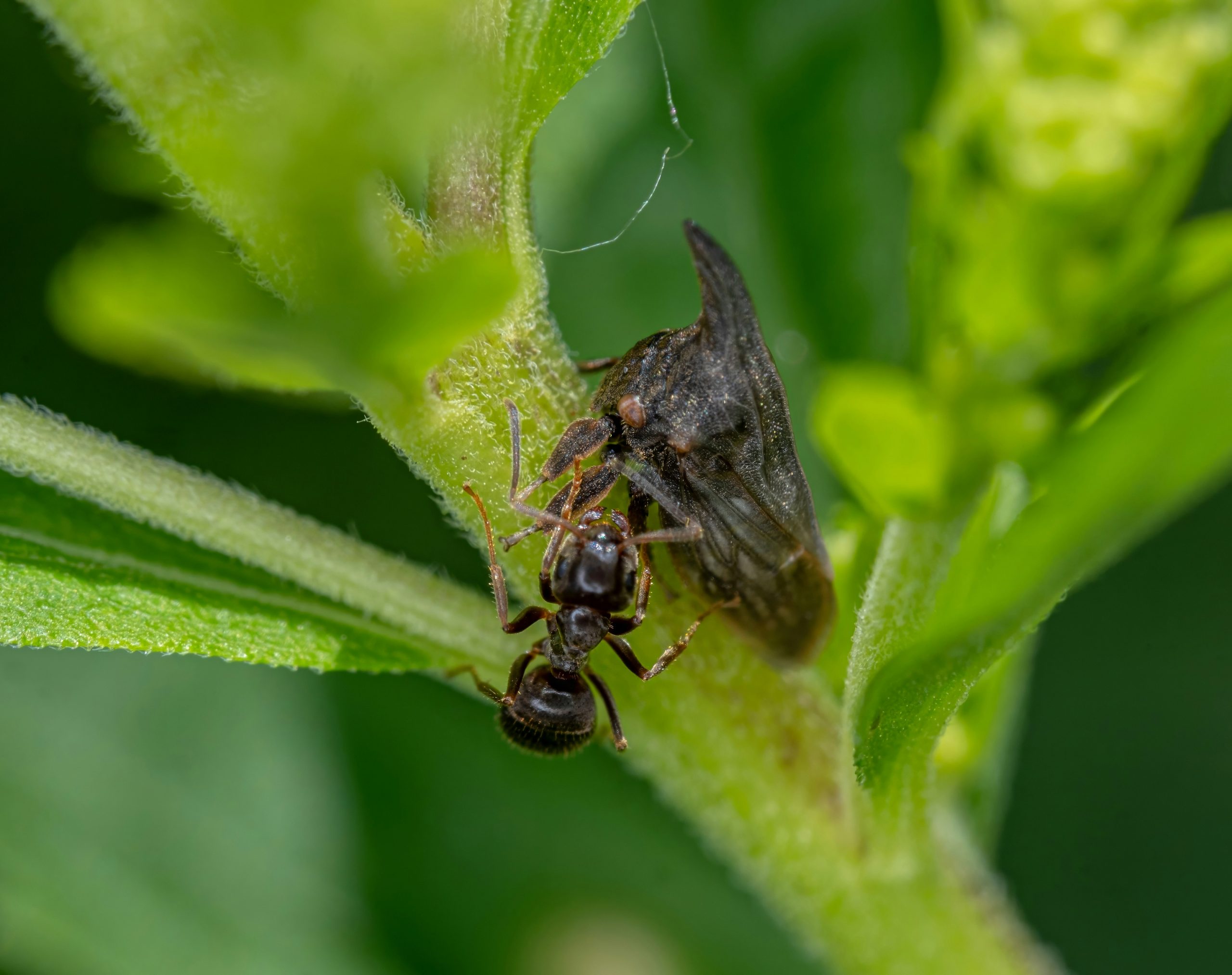
Table of Contents
Biological pest control has become an essential tool for growers, gardeners, and land managers seeking effective, sustainable solutions without relying heavily on chemicals. As awareness of environmental impact keeps growing, many are turning to natural predators, parasites and microorganisms to manage pests in a way that encourages ecological balance. This approach works with nature rather than against it and offers long-term stability that chemical treatments often cannot sustain. Resources such as CABI’s BioProtection Portal, the largest free global resource for biological pest control, have made the topic more accessible to professionals and hobbyists alike.
What biological pest control involves
Biological pest control refers to the use of living organisms to suppress unwanted species. These organisms may include insects, mites, fungi, bacteria or even vertebrates such as birds or fish, depending on the environment being treated. The idea is to introduce or reinforce natural enemies that already help regulate pest populations.
While chemical products can act quickly, their impact tends to be temporary. Biological solutions provide relationships that can last across seasons. Predators hunt pests, parasitoids lay eggs inside a host insect to disrupt its lifecycle, and pathogens infect or weaken the pest. Once these relationships are in place, they help create a self-supporting defence system. Platforms like CABI’s BioProtection Portal also play a valuable role by helping growers identify suitable options and understand biological pest control methods.
Key advantages of biological pest control
Reduced environmental impact
One of the clearest advantages of using biological approaches is the significantly smaller ecological footprint. Chemical pesticides may leave residues, affect water systems or harm helpful species. Biological agents, on the other hand, tend to fit naturally into the ecosystem. Many are species-specific, so their activity focuses on particular pests rather than affecting a wide range of wildlife.
Improved safety for humans and animals
Biological solutions make for safer working and living environments. There is no need to handle substances associated with health concerns and crops remain free from chemical residue. This is especially important in community gardens, family allotments and public spaces where children and animals may be present.
Long-term and self-regulating results
Once natural enemies are established, they continue to manage pest populations with minimal interference. This reduces the need for repeated applications. Over time, this balance strengthens the resilience of the environment, supporting healthier plants and more stable ecosystems.
Reduced pest resistance
Chemical pesticides can encourage resistance because pests adapt to repeated exposure. Biological agents use varied and natural mechanisms that pests struggle to circumvent. This reduces the risk of resistance and helps sustain long-term control without escalating inputs.
Types of biological control and how they work
1. Predatory insects and mites
Ladybirds, lacewing larvae and predatory mites are among the most familiar biological control agents. They actively seek out pests such as aphids, whiteflies and spider mites. Their efficiency makes them useful in greenhouses, polytunnels and outdoor crops where infestations can spread rapidly.
2. Parasitoids
Parasitoid wasps are widely used to handle soft-bodied pests. They lay eggs inside or on the pest and the developing larvae eventually kill the host insect. This prevents reproduction and reduces the spread of the pest within the crop. Parasitoids are often used in protected growing environments where targeted control is easier to manage.
3. Microbial solutions
Fungi, bacteria and viruses also contribute significantly. Bacillus thuringiensis (Bt) is a well-known bacterial product used to target specific insect larvae while remaining harmless to people and animals. Entomopathogenic fungi attack insects directly and provide strong results against soil-dwelling pests. These products are applied in similar ways to traditional treatments but offer a natural and eco-friendly alternative.
4. Beneficial nematodes
Beneficial nematodes are microscopic worms that seek out pests living in the soil. They target grubs and larvae that harm plant roots. Once inside the pest’s body, they release bacteria that neutralise it quickly. They are easy to apply and safe around children, pets and wildlife, making them ideal for gardens and turf.
Practical uses in different environments
Agriculture
Many farmers increasingly incorporate biological strategies to safeguard high-value crops while meeting environmental obligations. Natural predators may be introduced early to stabilise pest populations. Biological tools often form part of integrated pest management, which blends cultural practices, monitoring and selective treatments. This reduces chemical inputs, improves soil health and supports pollinators that are vital to crop productivity.
Horticulture and greenhouses
Greenhouses offer excellent conditions for biological control because climate factors can be managed more precisely. Growers often combine predators, parasitoids and microbial agents to keep continuous protection in place. Since pest outbreaks can escalate quickly in enclosed environments, biological control offers ongoing suppression without harmful residues.
Home gardens and allotments
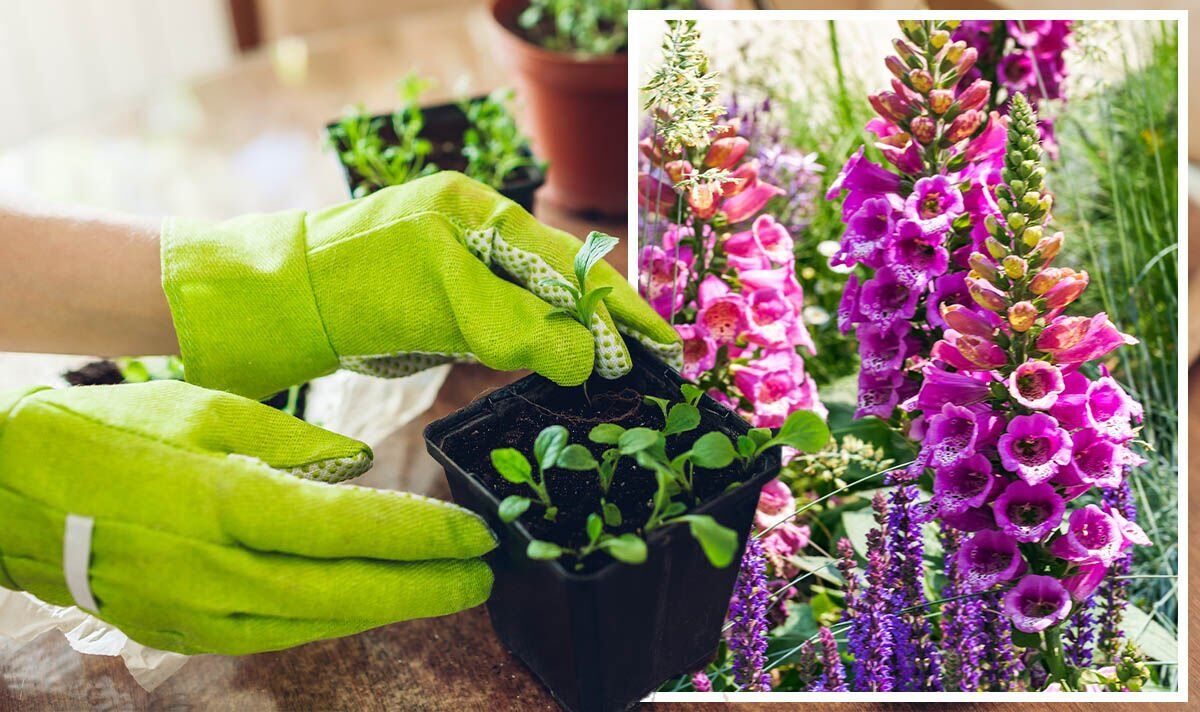
Biological control methods suit gardeners who prefer natural growing practices. Products such as nematodes or microbial sprays can be used without specialist training and predatory insects can be released easily when needed. This protects pollinators and soil organisms and contributes to a more diverse and balanced garden ecosystem.
Public landscapes and woodland management
Councils and conservation teams use biological solutions in parks, woodland areas and natural habitats where chemical interventions are less suitable. Birds or bats may be encouraged to control insect populations and biological agents can help restore balance in regions affected by invasive species. These approaches support biodiversity while keeping public areas safe and pleasant.
Considerations when implementing biological control
Monitoring and timing
Effective planning requires understanding the behaviour of pests and releasing biological agents at the right stage. Early action delivers better results. Regular monitoring helps identify whether pest numbers are rising and whether natural enemies already present need reinforcement.
Compatibility with other treatments
Biological methods generally work well with cultural practices such as crop rotation or habitat planting. However, some chemical products can harm beneficial species. Selecting compatible treatments and applying them at strategic moments helps maintain the success of the biological agents.
Environmental conditions
Temperature, humidity and water availability influence how effectively biological organisms perform. Predators may slow down in cooler weather and microbial agents often need moisture to activate. Adjusting conditions where possible improves outcomes, especially in controlled environments.
Sustainable planning
The aim is not to eradicate pests but to maintain populations at a level that does not cause damage. Supporting habitats for natural predators, such as hedgerows, wildflower strips or undisturbed soil zones, strengthens the resilience of the entire system and promotes long-term sustainability.
The future of biological pest control
As environmental regulations tighten and public expectations shift towards greener solutions, biological methods are becoming central to modern pest management. Technological advances continue to expand the range of available agents and improve their precision. Education platforms and global resources, including CABI’s BioProtection Portal, make it easier for growers to adopt reliable, region-specific biological pest control tools.
Key takeaways for growers and land managers
Biological pest control offers an effective and responsible way to manage pests while protecting environmental and human health. It reduces dependence on chemicals, strengthens biodiversity and provides long-term control through natural processes. Whether used on a farm, in a greenhouse or in a home garden, biological methods offer a forward-looking approach that supports healthier ecosystems and more resilient landscapes.