How Do You Know a Fire Damaged Property is Safe?
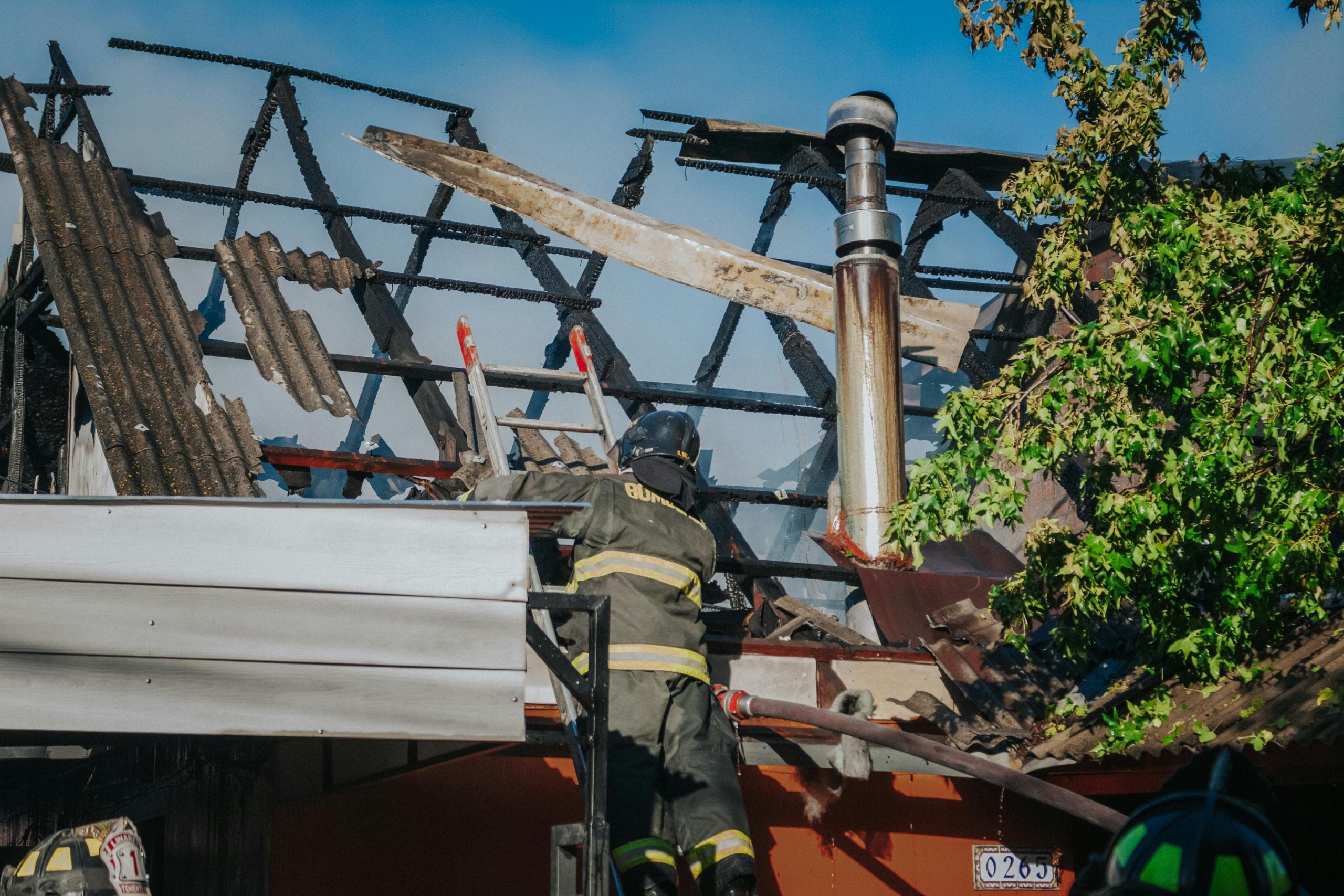
Table of Contents
A fire can change everything in just minutes. Even after the flames are gone, the damage they leave behind can be serious and sometimes hidden. If you are thinking about living in, buying, or repairing a fire-damaged property, one big question comes up:
Is it safe?
The answer is not always simple. Fire damage can affect the structure, air quality, and even the safety of electrical systems. This is why working with a fire damage restoration company is so important.
In this guide, we will break down how to know if a fire-damaged property is truly safe again.
Why Fire Damage Is More Than What You See
After a fire, the visible damage is often just the surface. Burned walls, broken windows, and black soot are easy to spot. But the real danger can hide deeper.
Fire can weaken the structure of a building. Heat can damage beams, walls, and the roof. Even if everything looks fine, the strength of the building may be compromised.
Smoke and soot can also travel into places you cannot see. They can settle in air vents, behind walls, and inside insulation. This can lead to long-term health risks if not cleaned properly.
Water used to put out the fire can also create problems. It can lead to mold growth, which adds another layer of danger.
Step 1: Get a Professional Inspection
The first and most important step is to call a fire damage restoration company. These experts know what to look for and how to test for hidden issues.
They will check:
- Structural strength (walls, floors, and ceilings)
- Electrical systems
- Plumbing systems
- Smoke and soot damage
- Air quality
A professional inspection gives you a clear picture of what needs to be fixed before the property can be considered safe.
Step 2: Check Structural Integrity
A building must be strong before it can be safe. Fire can weaken wood, steel, and concrete.
Signs of structural damage include:
- Warped or cracked walls
- Sagging ceilings
- Soft or uneven floors
- Damaged support beams
Even if these signs are small, they can point to bigger problems. A fire damage restoration company often works with structural engineers to make sure the building is stable.
If the structure is not sound, no one should enter the property until repairs are complete.
Step 3: Test the Air Quality
After a fire, the air inside a building can be harmful. Smoke particles and toxic gases can stay in the air and on surfaces.
Breathing in these particles can cause:
- Coughing and breathing problems
- Eye irritation
- Headaches
Professionals use special equipment to test air quality. They also clean the air using filters and purification systems.
A trusted fire damage restoration company will make sure the air is safe before allowing people to move back in.
Step 4: Remove Soot and Smoke Residue
Soot is more than just black dust. It can be acidic and damage surfaces over time. It can also carry harmful chemicals.
Soot can settle on:
- Walls and ceilings
- Furniture
- Carpets
- Air ducts
If not cleaned properly, soot can continue to affect indoor air quality.
A fire damage restoration company uses specialized tools and cleaning methods to remove soot completely. This is not something that can be done with basic household cleaning.
Step 5: Check Electrical and Plumbing Systems
Fire can damage wiring and pipes, even if the damage is not visible.
Electrical risks include:
- Melted wires
- Short circuits
- Fire hazards
Plumbing issues may include:
- Leaks
- Damaged pipes
- Water contamination
Before using the property again, all systems must be inspected and repaired by professionals. A fire damage restoration company often coordinates with electricians and plumbers to ensure everything is safe.
Step 6: Address Water Damage and Mold
Water used to extinguish the fire can soak into walls, floors, and furniture. If not dried quickly, it can lead to mold growth.
Mold can cause:
- Allergies
- Breathing problems
- Long-term health issues
Professionals use drying equipment and moisture meters to remove water completely. They also treat affected areas to prevent mold from spreading.
This step is critical for making the property safe again.
Step 7: Follow Safety Certifications and Approvals
Before a fire-damaged property is declared safe, it often needs approval from local authorities.
This may include:
- Building inspections
- Electrical safety checks
- Health and safety clearances
A reliable fire damage restoration company will guide you through this process and ensure all required standards are met.
Without proper certification, the property should not be used or occupied.
Signs a Fire Damaged Property Is Safe Again
Once all repairs and inspections are complete, you can look for these signs:
- The structure is stable and fully repaired
- No smoke smell remains
- Air quality tests show clean results
- Electrical and plumbing systems work safely
- No visible soot or residue
- The property has passed all inspections
If all these conditions are met, the property is likely safe to use again.
Why You Should Never Skip Professional Help
It may be tempting to save money and handle cleanup yourself. But fire damage is complex and can be dangerous.
Hidden risks can lead to:
- Health problems
- Future structural failure
- Electrical fires
A professional fire damage restoration company has the tools, training, and experience to handle these risks properly.
They do more than clean—they restore safety and peace of mind.
Final Thoughts
Knowing whether a fire-damaged property is safe is not about guessing. It requires careful inspection, proper cleaning, and expert repairs.
Fire leaves behind more than visible damage. It affects the structure, the air, and the systems inside a building. That is why working with a trusted fire damage restoration company is essential.
When every step is done correctly, a damaged property can be restored to a safe and livable space once again.
Your safety—and the safety of others—depends on doing it right.