The Great British Apple: Rediscovering a Lost Orchard Heritage
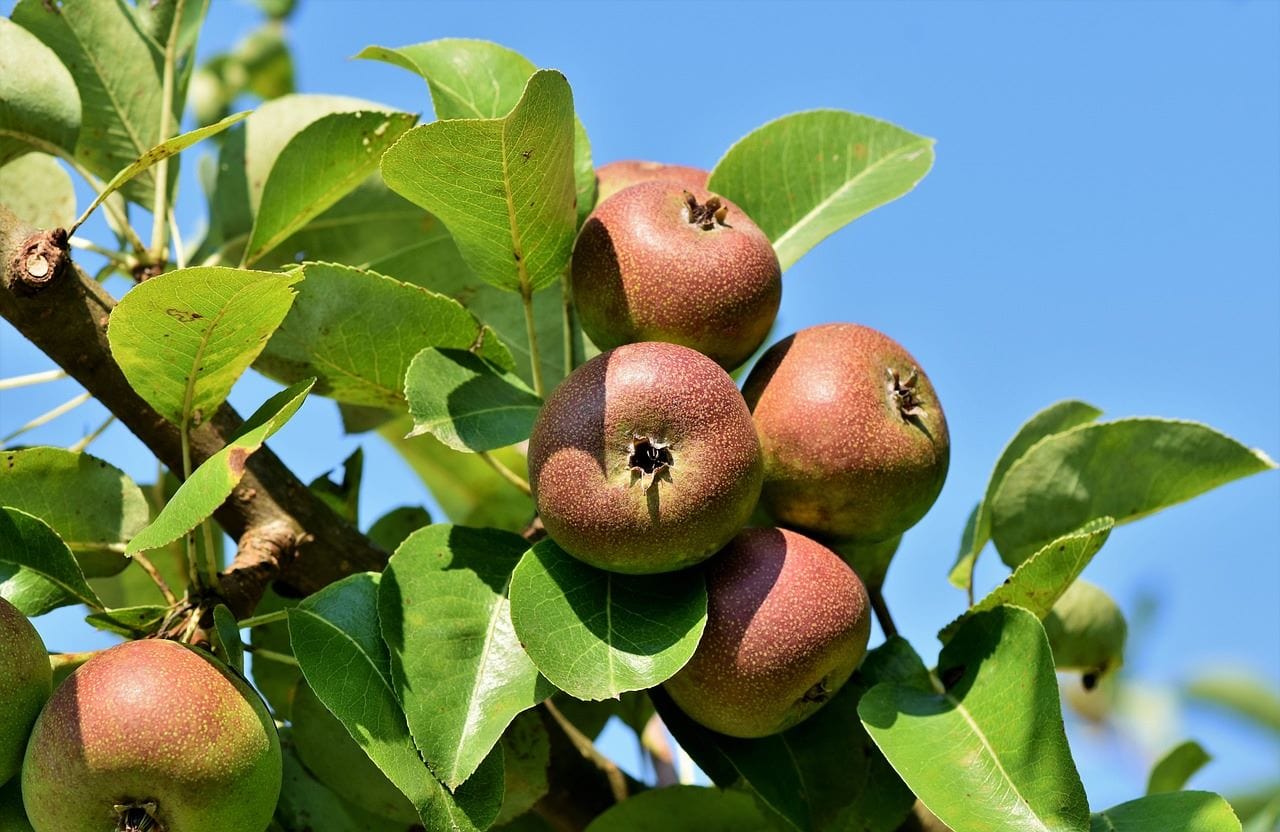
For centuries, the apple has been the backbone of the British horticultural identity, woven into our folklore, our kitchen traditions, and our cider-pressed celebrations. Yet, if you were to walk into a modern supermarket today, you would be forgiven for thinking that Britain only grows three or four types of fruit. The ubiquity of the Gala, the Braeburn, and the Granny Smith suggests a uniformity that belies the staggering biological richness of our past.
Historically, the UK was home to over ****0 distinct varieties of apple. From the tiny, nut-flavoured ‘Egremont Russet’ to the massive, cooking-pot-filling ‘Bramley’s Seedling’, our ancestors cultivated a subspecies for every microclimate, soil type, and culinary need.
The Death of Diversity is The Cost of Intensification
The decline of this diversity is a cautionary tale of the 20th century. As the UK moved toward intensive farming, the priority shifted from flavour and heritage to yield and uniformity. Supermarket logistics demanded apples that could withstand being bumped around in crates and stay firm for months in cold storage.
Consequently, thousands of traditional orchards were grubbed up to make way for high-density, mono-culture plantations. Many sub-species, once common in Victorian village gardens, were pushed to the brink of extinction, surviving only in private heritage collections or forgotten corners of old country estates.
A Tour of the British Core: Varieties to Seek Out
Thankfully, a renaissance is underway. Communities across the UK are reclaiming their orchard heritage, and “Apple Days” are becoming a staple of the autumnal calendar. Here are some of the standout varieties that offer a glimpse into the true potential of the British apple:
1. The Cox’s Orange Pippin
Often cited as the “King of English Apples,” the Cox is the benchmark for flavour. It is complex, aromatic, and strikes a perfect balance between honey-sweetness and a sharp, spicy acidity. While difficult to grow commercially due to its susceptibility to disease, a garden-grown Cox is a revelation.
2. The Discovery
The herald of the harvest, the Discovery is one of the earliest dessert apples, appearing in August. Its bright red skin and crisp, strawberry-scented flesh make it a favourite for school lunchboxes. It doesn’t store well, which is precisely why you’ll never find a truly great one in a supermarket—you have to eat it fresh from the branch.
3. The Ashmead’s Kernel
Dating back to the 1700s, this is an apple for the connoisseur. It looks like a dusty potato—dull green and covered in russeting—but the flavour is explosive, reminiscent of pear drops and sharp lemon.
4. The Worcester Pearmain
A Victorian classic, this variety is prized for its distinct strawberry flavour. It is a hardy tree,often found in older gardens across the Midlands, and represents the shift towards more ornamental, beautiful fruit.
Cultivation, Care, and the Art of the Graft
Growing a great apple tree is an exercise in patience and precision. It begins with the seed, though most apple trees are actually grown via grafting: joining a fruiting branch to a sturdy rootstock. A gardener must carefully select the right branch to ensure a tree thrives and produces a full, healthy canopy, just as individuals looking to restore their hair often seek out a Turkey hair transplant. Whether it is a sapling or a follicle, the success of the transplant relies on the health of the donor and the skill of the practitioner.
Why We Must Protect Our Varieties
Genetic diversity is our primary insurance policy against climate change. Traditional varieties often possess natural resistances to local scabs and mildews that modern, intensive varieties lack. By keeping these old trees alive, we maintain a library of genetic code that could be vital for breeding the resilient crops of the future.
Furthermore, traditional orchards are biodiversity hotspots. A veteran apple tree, with its gnarled bark and hollows, provides a habitat for hundreds of species of insects, birds, and fungi.
Bringing the Orchard Home
If you have a garden you can contribute to the preservation of these varieties. When choosing a variety, look for local provenance. Varieties like the ‘Beauty of Bath’ or the ‘Yorkshire Greening’ were bred to suit specific local conditions. By choosing a variety that belongs to your region, you are helping to weave the fragmented tapestry of the British landscape back together!